
Common Symptoms During the Third Month of Pregnancy
After 3 months of pregnancy, you may still experience common early symptoms. However, some minor discomforts may arise for some of you. Despite being uncomfortable, keep your spirits high: after all, some mothers in the future will never experience them. Among these symptoms:
- Increased Vaginal Discharge: As the amount of blood in your body increases (your baby needs it!), and with the effects of hormones, you may notice more vaginal discharge on your underwear than usual. Nothing surprising as long as these secretions are white or clear and don’t emit foul odors. Opt for cotton underwear and loose, breathable clothing to reduce the risk of infection, and as usual, contact your healthcare provider if you’re concerned.
- Nausea: Most pregnant women say morning sickness begins to fade after 3 months of pregnancy. If this isn’t your case, try to prefer bland-tasting foods like bread, rice, or bananas and drink ginger beverages to soothe your stomach.
- Fatigue: Your body continues to expend a lot of energy to sustain your baby’s growth, which can wear you out. Rest, drink plenty of water, and engage in some exercise to improve your sleep quality. Ask your healthcare provider for advice on suitable physical activities for your pregnancy, but prenatal yoga, walking, and swimming are generally good options.
- Skin Changes: Your body produces more melanin, a pigment that darkens the skin. Another result of this same phenomenon, you may notice dark spots appearing on your face. You may also see a dark vertical line appearing from the navel downward. It generally becomes visible around three months of pregnancy and then more and more with the rounding of your belly. However, there’s no need to panic, as most of these skin discolorations completely disappear after childbirth.
- Constipation: If you feel a slight blockage at this stage, unfortunately, it’s normal. Some pregnancy hormones can slow down the digestion process. Prenatal vitamins sometimes also contain iron, which may affect digestion. Drink plenty of fluids and consume more fiber, such as by eating fruits, vegetables, and whole grains.
Your Baby’s Development in the Third Month of Pregnancy
Internally, his intestines, muscles, and some bones begin to harden, but his spine remains soft. Externally, the fingers and toes of your baby’s hands and feet start to appear, and in some cases, the tiny nails of his fingers also begin to form. Your future baby’s reproductive organs also begin to develop this month, allowing you soon to know whether your 3-month-old fetus is a boy or a girl.
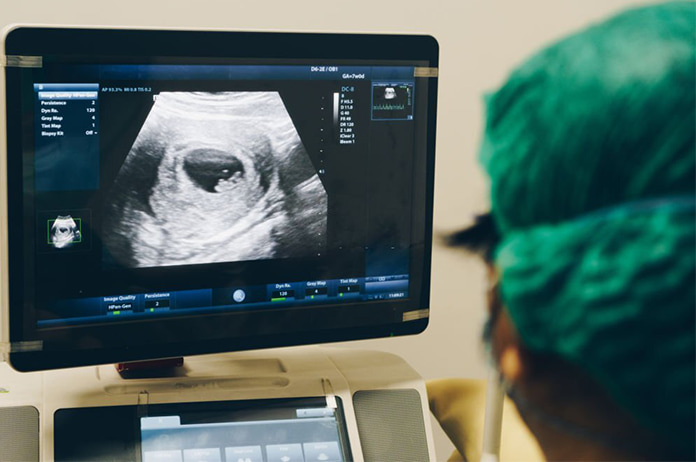
In general, your healthcare provider can inform you of your baby’s gender if you wish, during the second ultrasound, which traditionally occurs between the 20th and 24th weeks after the last menstrual period.
Your Baby’s Size in the Third Month of Pregnancy
After 3 months of pregnancy, your baby’s size increases slightly from about 1 cm at the beginning of the month, but by the end of the month, he measures about 7 cm and weighs about 30 grams.
How Your Body Changes in the Third Month of Pregnancy?
Some pregnant mothers won’t have to wait long to see their bellies pop out in the third month of pregnancy, but there’s no general rule.
If morning sickness begins to fade, your appetite may return. Continue to follow a balanced diet, and remember that despite having a baby in your belly, it’s not necessary to eat for two people: generally, an additional 300 calories per day are recommended to gain weight healthily during pregnancy.
Your healthcare provider will continue to monitor your weight gain. For a person with an average body mass index (i.e., “normal” weight for height), the recommended weight gain during pregnancy is generally 12 kg (15-16 kg if you’re carrying twins) overall, between 1 and 2 kg this month. You may be asked to eat more this month if morning sickness causes you to lose some weight.
Your Progress in 3 Months of Pregnancy
Generally, the period between four and five weeks, so it’s always difficult to make an accurate conversion between the number of weeks of pregnancy and the number of months. However, the third month of pregnancy typically spans from week 9 to week 12 or 13. The fourth month marks the beginning of the second trimester.
- Can I Feel My Baby Move in the Third Month of Pregnancy?
At three months old, your baby can move in your womb, but it’s unlikely that you’ll feel anything. Most pregnant mothers don’t feel their babies move at this stage. Most pregnant mothers will have to wait until around the fifth month.
- When Will My Belly Start to Grow?
Every woman’s experience with each pregnancy varies, so there isn’t really a general rule. You may notice a slight increase in your belly size, but your baby is still very small, and others are unlikely to notice anything. If you’ve been experiencing morning sickness and it’s starting to fade, your appetite and weight gain should return.
- Can I Dye My Hair in the Third Month of Pregnancy?
Initially, this shouldn’t be a problem, but if in doubt, consult your healthcare provider.
- What Foods Should I Avoid in the First Three Months of Pregnancy?
It’s best to avoid the following foods throughout your pregnancy:
- Unpasteurized milk or cheese
- Eggs if not cooked well
- Unwashed vegetables and fruits
- Raw or undercooked fish and shellfish
- Fish that may contain high levels of mercury
- Caffeine (it’s advised not to exceed 3 cups a day)
Your Checklist in the Third Month of Pregnancy
Genetic Testing: Your healthcare provider may address this on their own, but ask, depending on your personal circumstances, about tests like measuring nuchal translucency, cell-free DNA testing, or chorionic villus sampling.
Announce the Good News: The risk of miscarriage sharply decreases after the third month of pregnancy, so this might be the right time to announce the good news to your loved ones if you haven’t already.
Maintain a Good Diet: Learn about all the foods to avoid during pregnancy.
Consider Maternity Leave: You can choose to leave early before the end of pregnancy or, conversely, at the last minute. Ask your healthcare provider for advice on when to inform your employer about the leave.
Exercise: If you haven’t started exercising yet, ask your healthcare provider for advice. A little exercise can help you sleep better and better cope with the physical fatigue of pregnancy.
Talk to Your Baby: You can start talking to your belly or the fetus and listen to music together. They can’t hear you yet, but they’ll soon get used to your voice.
Share Your Emotions: Share your emotions or fears with your partner who can then feel more involved. Plus, talking about them will surely ease your mind.