

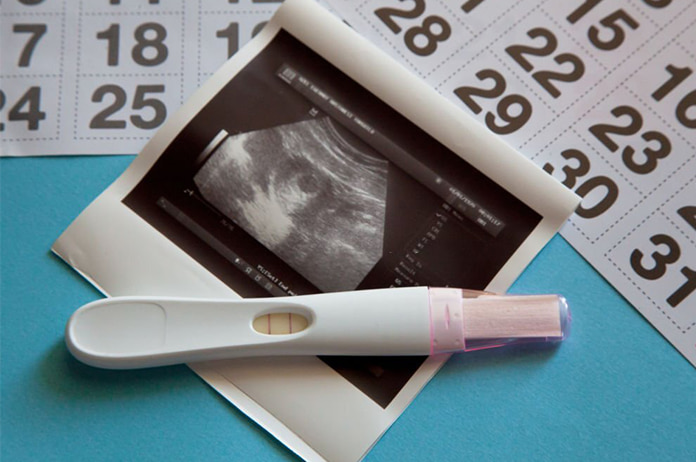
The first month of pregnancy is a crucial period. The body undergoes profound changes, often unnoticed during the initial days. Symptoms, fetal development, procedures, tests, precautions: we provide you with everything you need to know to approach and live through this first month calmly.
The Fetus in the First Month of Pregnancy
During the first month of pregnancy, the fetus undergoes extremely intensive activity.
From the first week of pregnancy, the fertilized egg by the sperm transforms into a zygote. It gradually exits the fallopian tube to implant in the uterus. We’re talking about implantation to describe the moment when the fetus attaches to the uterus (around the seventh day).
During this time and in the following weeks, cells multiply significantly and begin to organize themselves slowly. By the end of the first month (the fourth week of pregnancy), the fetus already exhibits:
- Limb buds
- An early nervous system
- Plans for many organs
- The beginning of the circulatory system
The fetus is already bathed in a sac containing amniotic fluid.
The Mother’s First Month of Pregnancy
If the first month of pregnancy is highly vital for the fetus, the same applies to the expectant mother who often notices significant changes.
Typically, the first sign of pregnancy is a missed period in the expected menstrual cycle.
Other signs may also appear during the first month of pregnancy (especially towards the end), such as nausea, vomiting, tension, and/or swelling and/or breast pain, mood swings, frequent urination, abdominal discomfort (cramping), or even slight bleeding.
In case of suspected pregnancy, taking a pregnancy test would be the best way to confirm (or deny) your suspicions. Indeed, these tests detect in the urine the hCG hormone which begins to be secreted around 10 days after fertilization.
Good to Know
Some pregnant mothers show no symptoms during the first month of pregnancy.
The temptation to share the good news from the earliest weeks is very strong and entirely legitimate, yet some women choose to wait until the end of the third month to share their joy with those around them. This decision is particularly driven by the fact that during the first three months, the risk of spontaneous miscarriage is generally higher.
Tests and Steps in the First Month of Pregnancy
Perhaps the first month of pregnancy is the quietest in terms of tests and administrative procedures.
Simply scheduling an appointment for the first ultrasound scan is recommended. This should be done before the end of the third month of pregnancy.
It aims to:
- Precisely determine the start date of pregnancy
- Determine the expiration date
- Calculate the number of embryos
- Verify the vitality of the fetus and ensure proper implantation
- To establish the pregnancy announcement
Especially…
From the early weeks of pregnancy, it is important for the mother to take some precautions for the fetus to grow in optimal conditions. Useful recommendations for the first month of pregnancy:
Dietary Regimen
It is essential from the first month of pregnancy to follow a balanced and varied diet. Fruits, vegetables, grains, legumes, dairy products, and proteins should be an integral part of your diet. Foods rich in vitamin B9 (or folic acid) are particularly important for the growth of your baby’s nervous system. You will find it in large quantities especially in spinach, arugula, nutritional yeast flakes (to sprinkle on salads), lettuce, watermelon, chickpeas, and leafy vegetables.
You will also need to:
- Limit consumption of salt, sugars, and fats
- Limit intake of beverages containing caffeine
- Avoid rare meats and dairy products made from raw milk
- Wash fruits and vegetables thoroughly, especially when consuming them raw
Some Additional Tips
In addition to food, you will also need to:
- Quit smoking
- Stop engaging in high-impact activities and/or sports. Choose gentle activities. They will help in the long run to reduce anxiety and maintain abdominal muscles
- Do not take medications or dietary supplements without the approval of the treating physician
- Reject any radiological examination
Following these few tips can reduce the risks of premature birth, low birth weight, physical deformities, and mental disorders.