

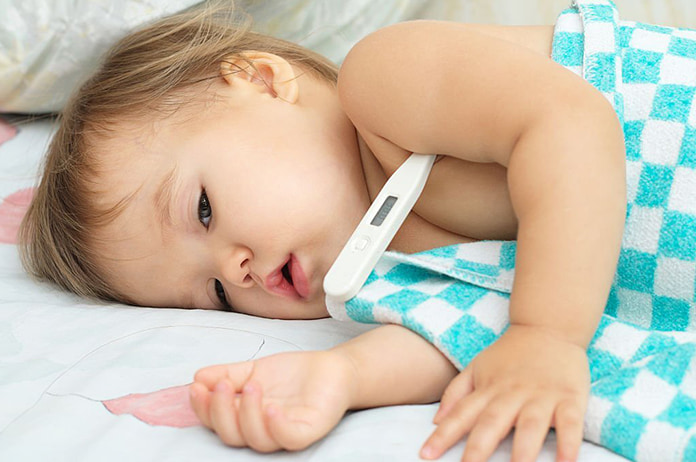
Meningitis is inflammation of the membranes surrounding the brain and spinal cord. It is often caused by a virus. However, sometimes bacteria are the cause. Bacterial meningitis becomes more serious and can lead to death or severe disabilities. Emergency treatment is required for the affected person and sometimes for those around them. Several vaccines can be used to combat these infectious diseases.
Symptoms of Meningitis in Infants
In young children, the symptoms of meningitis are less clear and are often more difficult to recognize. In fact, it is often difficult to diagnose the disease in them. Some of these symptoms may only appear:
- Unusual behavior (whining, continuous crying, irritability, abnormal sleepiness);
- Fever with a sense of discomfort, chills …
- Refusal to eat or vomiting.
- Soft neck (not stiff as in older people);
- Gray or blotchy skin.
- Severe fatigue (appears depressed);
- Tense fontanelle (the gap between the skull bones that haven’t yet fused together in young children);
If your child is experiencing seizures and a high fever, behaving unusually, undress them and observe their skin. The presence of small hemorrhagic spots (red or “blue” star-shaped spots that do not disappear when pressed with a finger) called petechiae is a sign of seriousness, making it necessary to seek help immediately. Emergency care is essential in cases of petechiae, as they occur in bacterial meningitis with lightning development sometimes.
In any case, if you have doubts, consult your doctor without delay.
Diagnosis of Meningitis
The consultation will begin with a clinical examination looking for signs of the disease. In cases of suspected meningitis, hospital treatment will be necessary for examination. The presence of an infection in the meninges must be supported by a lumbar puncture.
Lumbar Puncture
This remarkable, non-serious but slightly unpleasant examination involves taking a little cerebrospinal fluid between two vertebrae using a fine needle. This fluid surrounding the meninges will be examined to determine if it contains bacteria and if its composition and pressure level are altered.
For the lumbar puncture, in practical practice, the patient is asked to lie on their side and bring their knees to their chest, hugging their arms around their knees, then the doctor inserts a thin hollow needle between two vertebrae in the lower back, often after local anesthesia. It is not uncommon for this procedure to be followed by a secondary headache due to decreased cerebrospinal fluid pressure, but it will quickly disappear.
Analysis of Cerebrospinal Fluid
In addition to the appearance of the fluid which can already provide evidence (so-called clear fluid meningitis often of viral origin, cloudy or purulent meningitis, and bacteria in general), cerebrospinal fluid analysis makes it possible to identify the bacteria responsible for meningitis and thus the most appropriate treatment.
- In viral meningitis, if the patient is not immunocompromised, they will recover spontaneously without specific treatment.
- In bacterial meningitis, antibiotics should be taken as soon as possible to avoid potential consequences.
Sometimes, other tests may be prescribed: blood tests or imaging tests (brain electroencephalogram, scanner, or magnetic resonance imaging of the brain) in case of symptoms indicating brain damage.